



Ever climbed a mountain and sat for a while to take in the view? Getting back to nature is something we seek out time and time again. We all love a water view or a mountain vista. It’s just how we’re designed.
Architectural design that makes you feel one with nature is called “biophilic”. It’s the idea that including natural materials in a design can create positive emotional responses. There are claims that it helps people relax, reduces social problems and improves motivation.
Soffits play a quiet but important role in how a building feels. The spaces that sit between indoors and outdoors are vital conveyers of air and light. These transition zones (eaves, canopies and verandas) are important areas of biophilic design. They blur the boundaries between shelter and landscape, shaping how people move between built areas and nature.
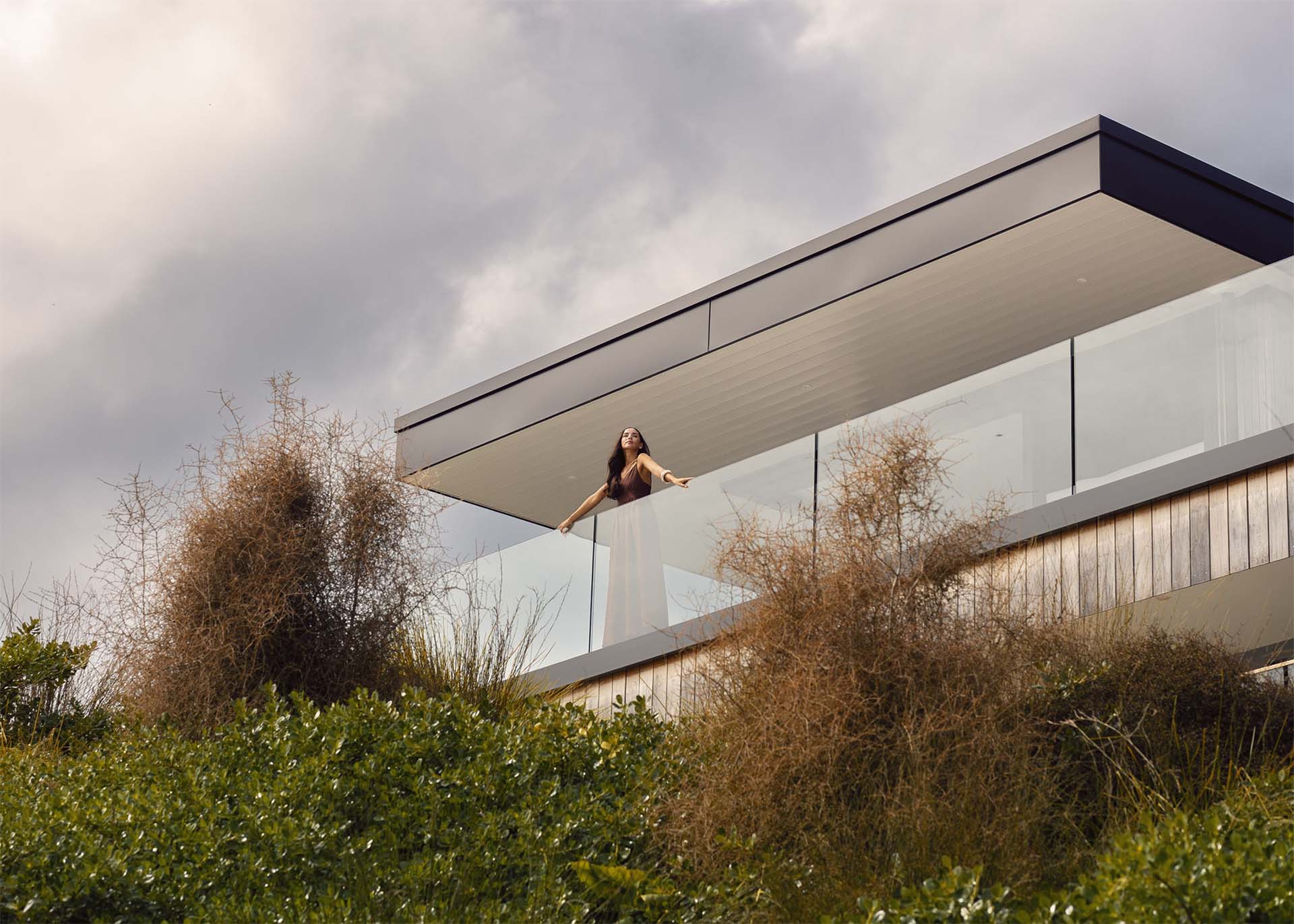
In a minimalist dwelling, the soffits step forward as a signature feature. In a biophilic environment, soffits enhance the natural materials, shapes and textures around them. In organically inspired builds, contrast matters. Textured materials like timber and stone bring softness and variation. Ribon soffits' linear profile can echo the grain of timber, the layering of natural elements or simply provide a calm, structured surface.
Biophilic architecture isn’t about rejecting modern materials. It’s about using every element with intention. In a biophilic build, Ribon soffits would take a supporting role, not trying to imitate nature, but provide a precise, durable framework that elevates it.
Natural friends and natural enemies
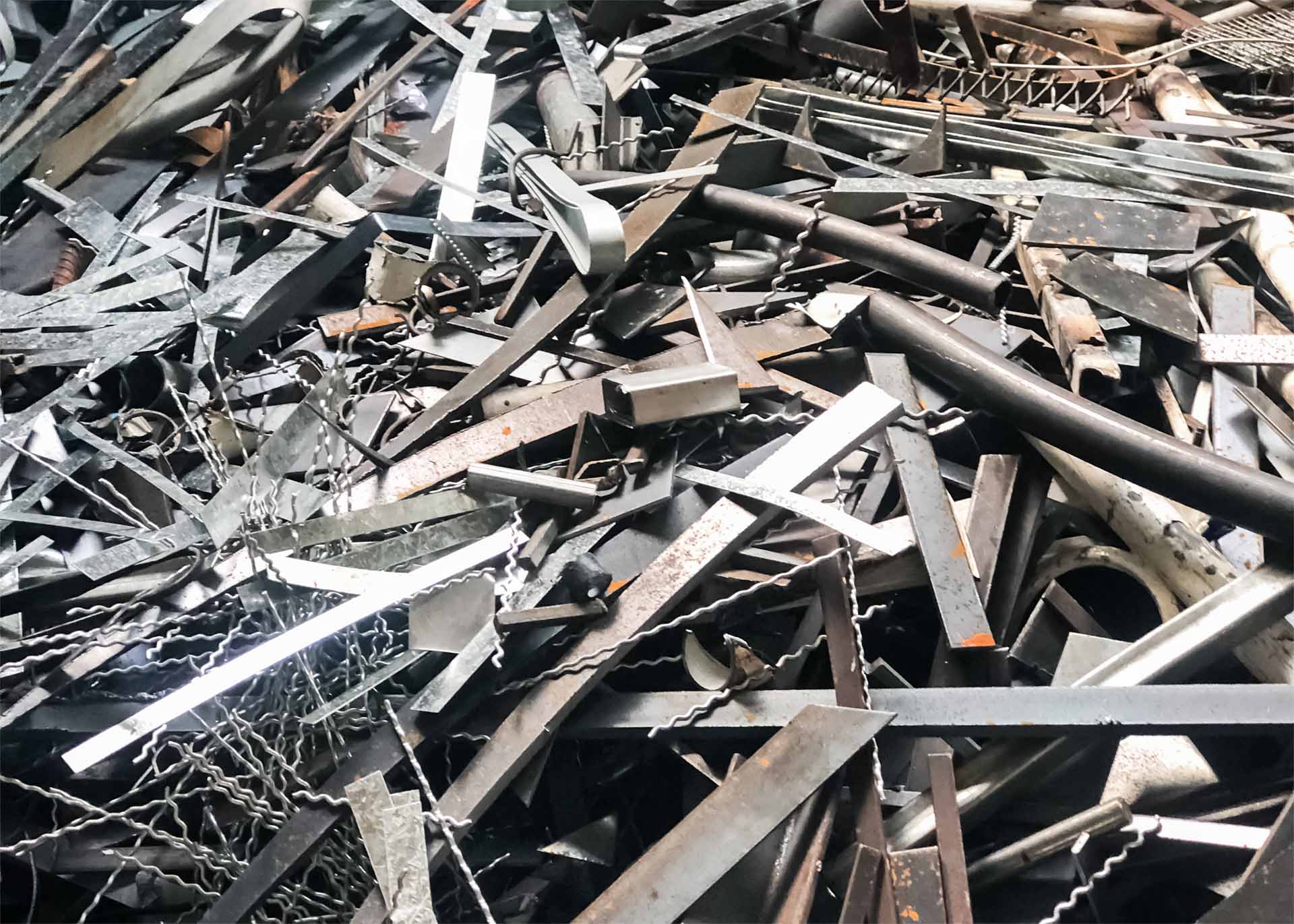
When we think of natural or sustainable cladding and building materials, we quickly jump to stone and wood, but one of the most sustainable materials on earth is steel. Steel is made from purified coal and iron, and unlike most materials it’s endlessly recyclable. It can be melted down and 100% reused in an endless ongoing cycle.
Fibre cement board: handle with care
Although fibre cement board has a slightly cheaper initial outlay to steel soffits, it does come at an environmental cost. The board has to be cut to fit, so there’s a waste factor involved, and builders need to be aware there are also strict health protocols attached to its use.
Fibre cement board contains a high concentration of crystalline silica from its sand component and when the board is cut, drilled or scored with power tools, it creates a very fine dust. Inhaling this silica dust over time can lead to silicosis, a progressive and incurable lung disease.
Fibre cement board is commonly used in soffits, so to manage the risk, tradies are advised to use special low-dust cutters (like shears), wet cutting techniques and dual-filter vacuum attachments paired with M-class or H-class respirators.
Of course, another way of avoiding breathing silica dust is to avoid using fibre cement board altogether. Ribon’s interlocking soffit system is made of light panels of pre-coated steel. No inhalation risk there. Its panels lock into an easy-to-install bracket system resulting in a quick and easy installation with zero risk of toxic dust.
Not only is Ribon safer for a person’s lungs, but since it’s pre-cut and lightweight, it’s easier to handle than heavier soffit materials. So, because it’s so light to handle, a Ribon soffit system is also safer to install, especially in high and awkward-to-reach places.


